That’s not Fair!
Six workshops with ten girls. A simple premise: children have the same right to the city as adults.
Location: Amsterdam West
Year: 2023–25
Funding: Stimuleringsfonds Creatieve Industrie — Ruimte voor Rechtvaardigheid
Team: Daryl Mulvihill, Lola Cauneac, Thijs Baselmans, Hannah van der Sluijs
Participants: Alma, Aoife, Charlize, Chloé, Damla, Davida, Dot, Jimi, Pelle, Robin
Project Partners: Ilona van Sante, Ozlem Aatol, Gerben Hellemans, Richard Krajicek Foundation
Published in: A+U Magazine (Japan), April 2026 / Forum Magazine NL Feb 2026
"There's nothing here for me anymore. Everything is for small children. That's not fair!" Aoife, my daughter, was nine when she said this about a recently renovated playground in Amsterdam West. She had outgrown the swings, but the wider city was still out of reach. As a father and a public space designer, it didn't sit well.
Aoife is not the only one. In cities everywhere, public space tends to be designed as playing for toddlers, sports places for boys, streets and parks for adults who consume. Girls simply want somewhere safe and social, to hang out, to play, to connect with nature, somewhere they can identify with. These places are a structural blind spot for designers and policymakers alike.
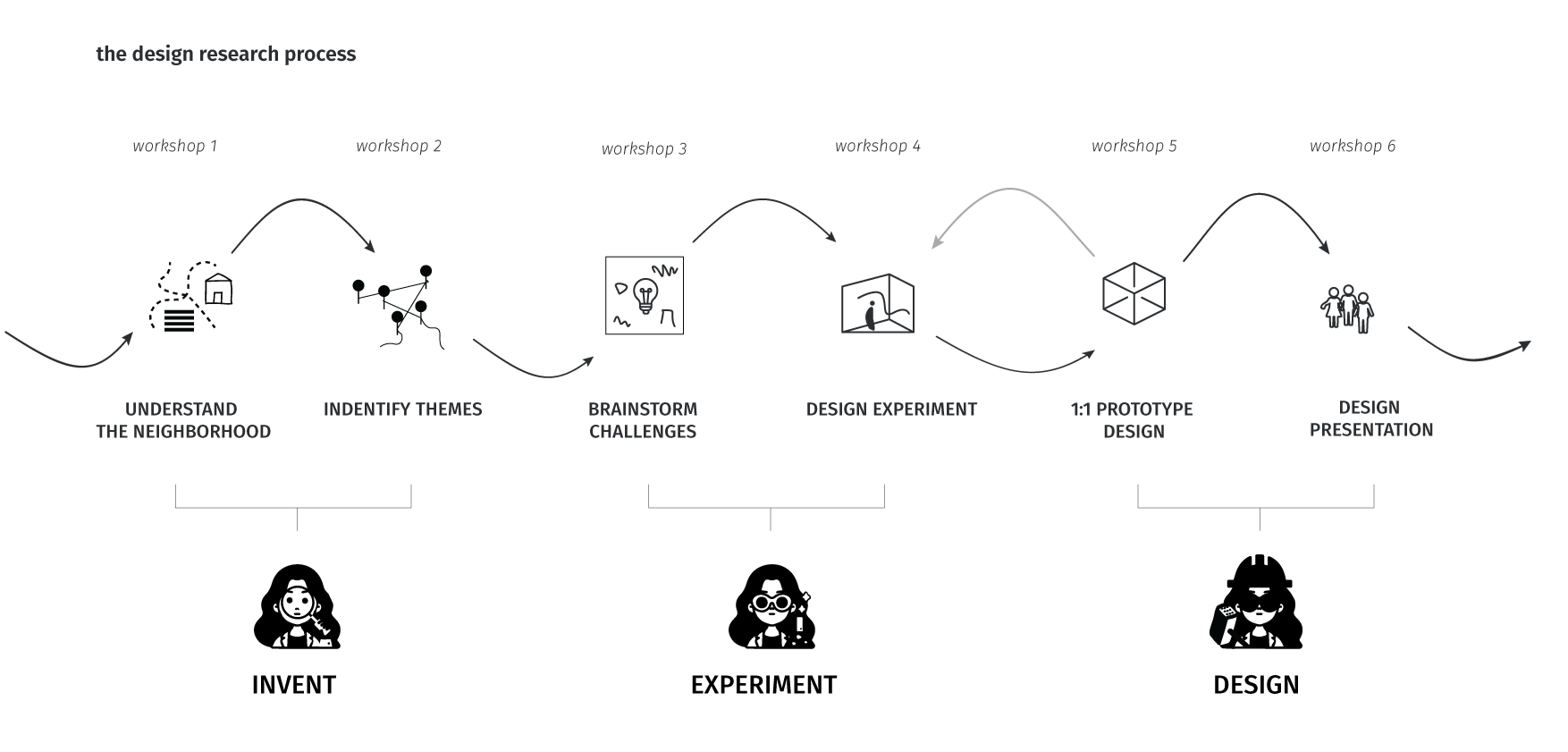
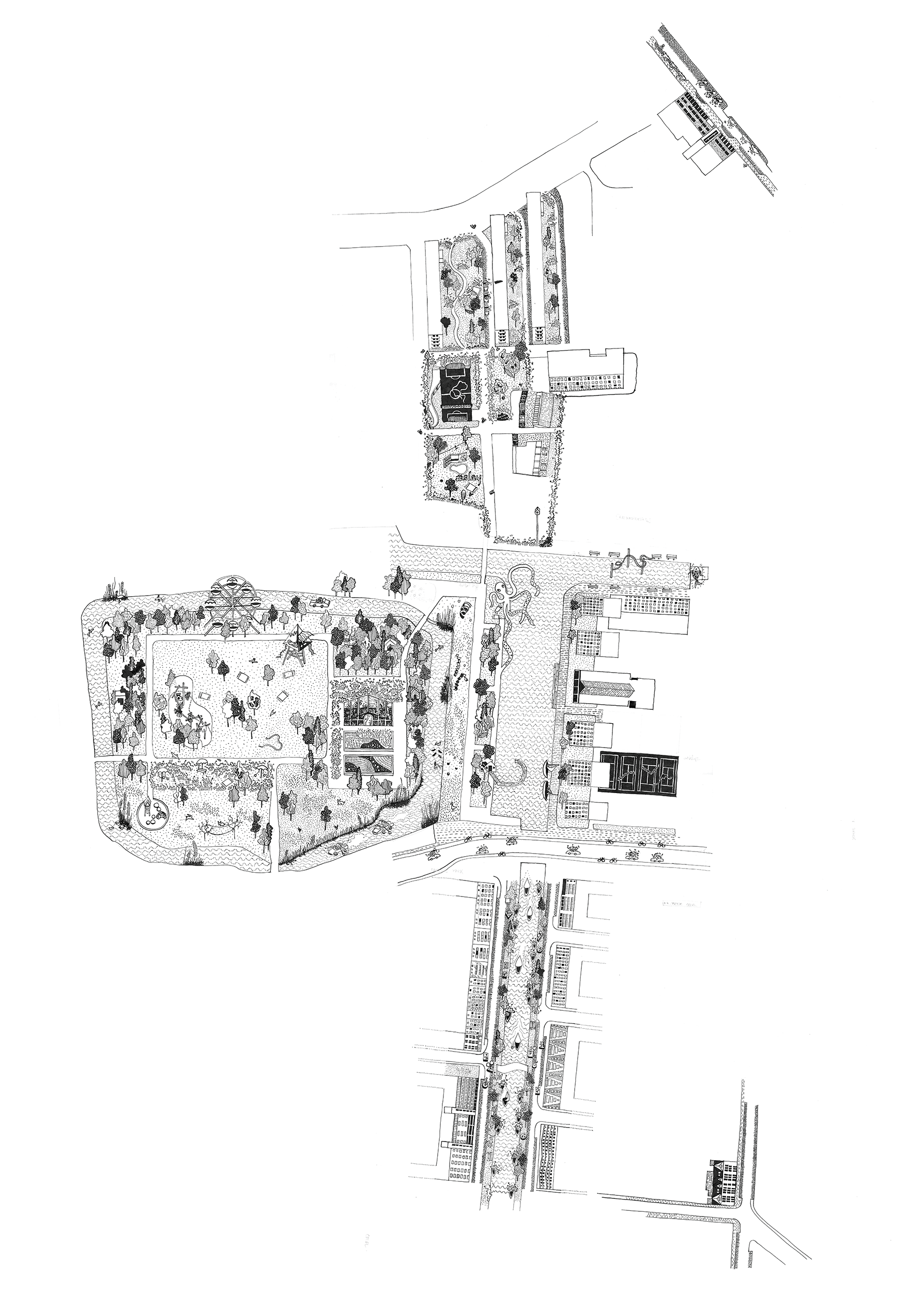
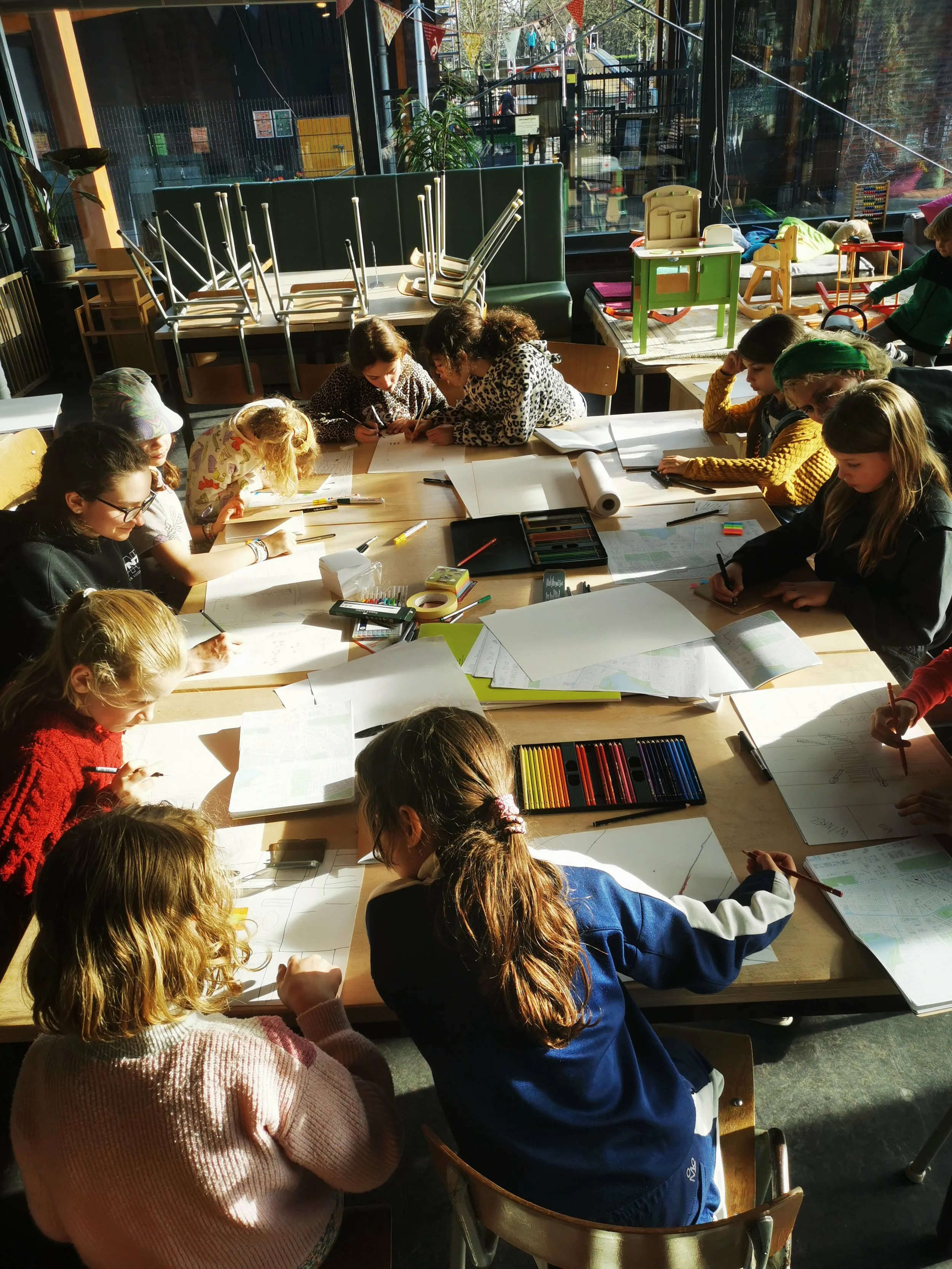
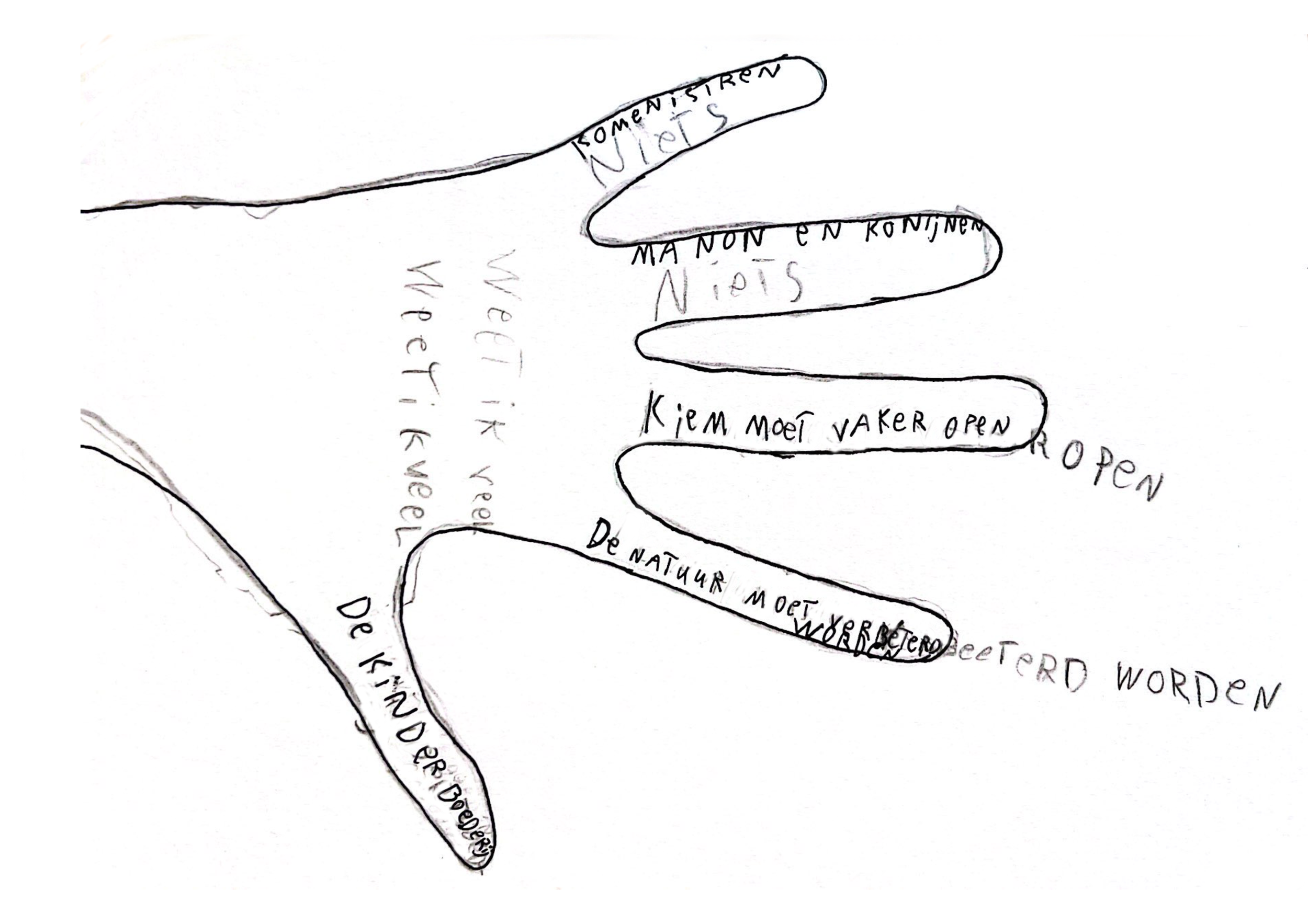
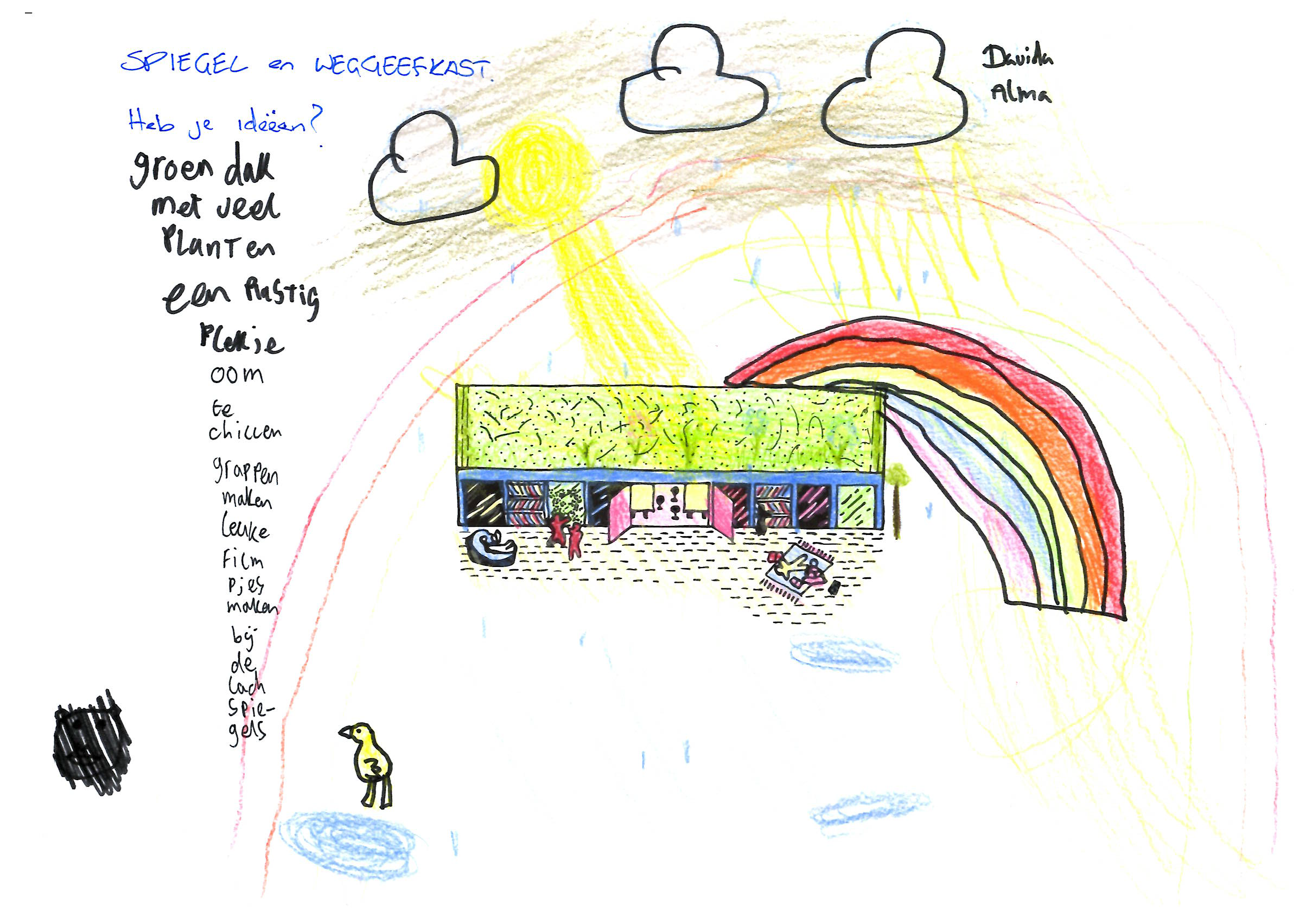
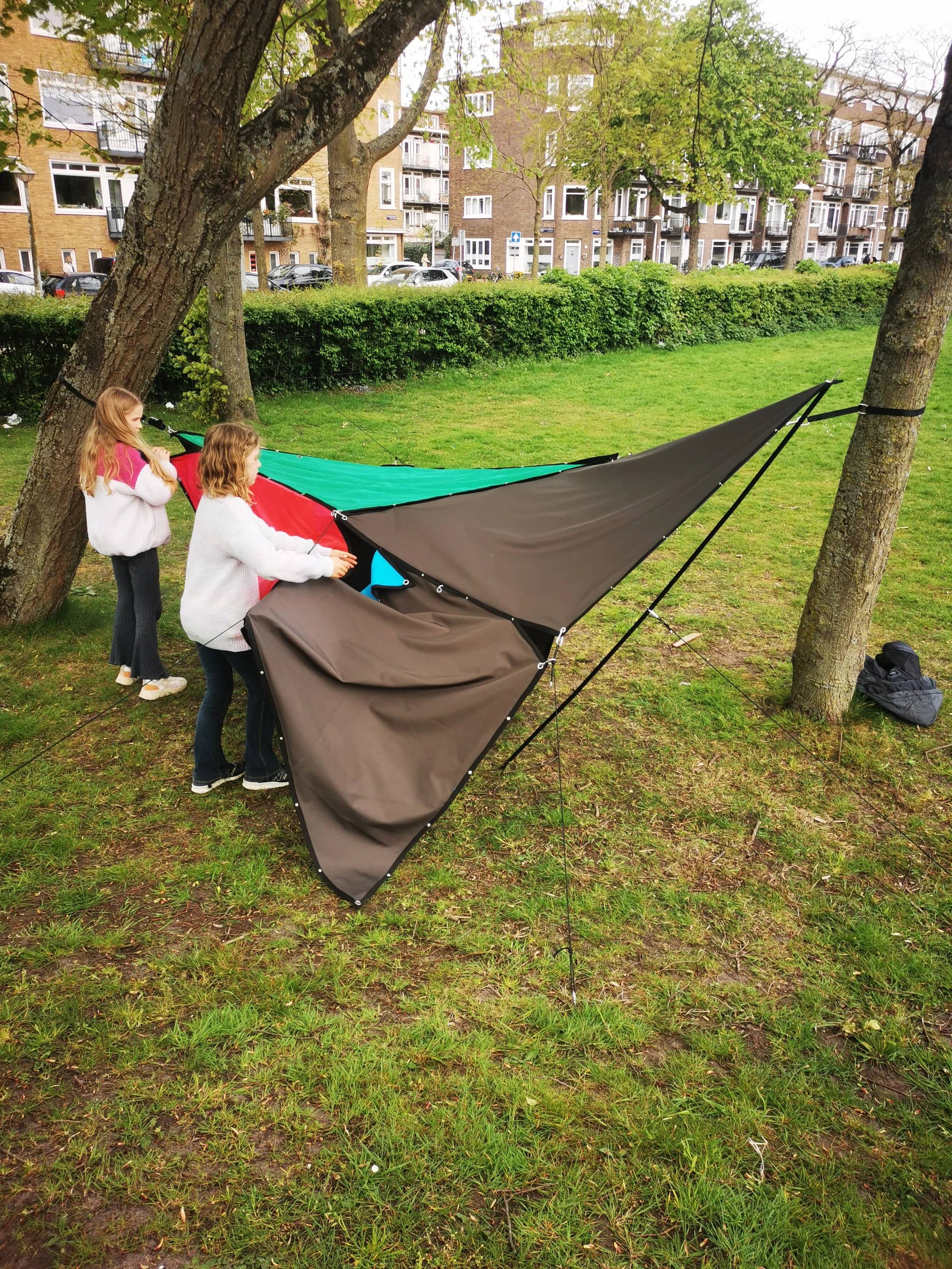
The project began with a simple premise: in a just city, children hold the same right to space as adults. Selected for Ruimte voor Rechtvaardigheid, the Stimuleringsfonds open call on spatial justice, we ran six workshops with girls aged 8 to 10 in Amsterdam West. They became researchers, inventors and designers. They mapped what mattered: safe crossings, better green spaces, challenging places to play and do sports, spaces for friendship. Their ideas took shape as designs — wild, fun, cosy, intriguing, some permanent, some ephemeral.
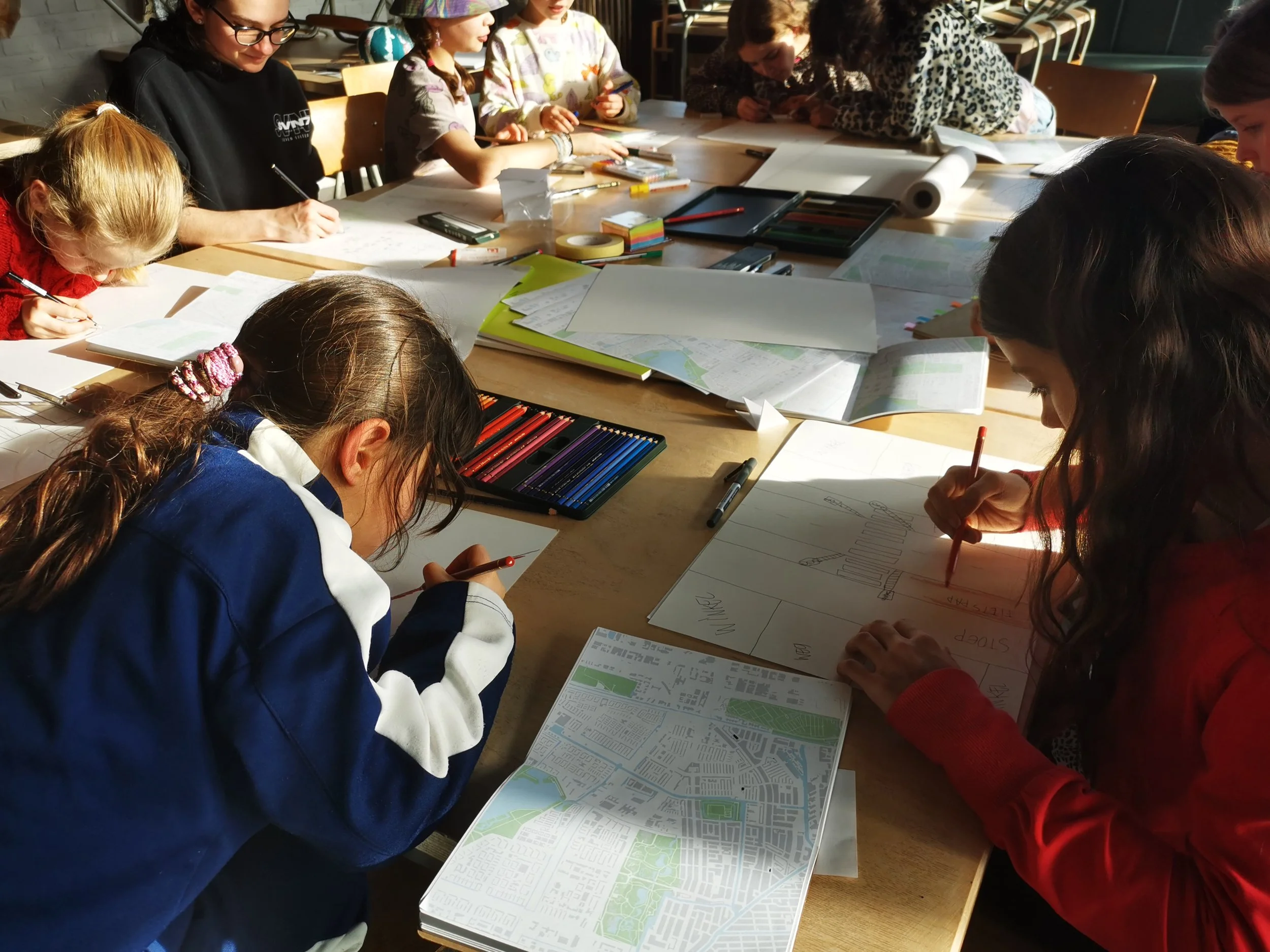
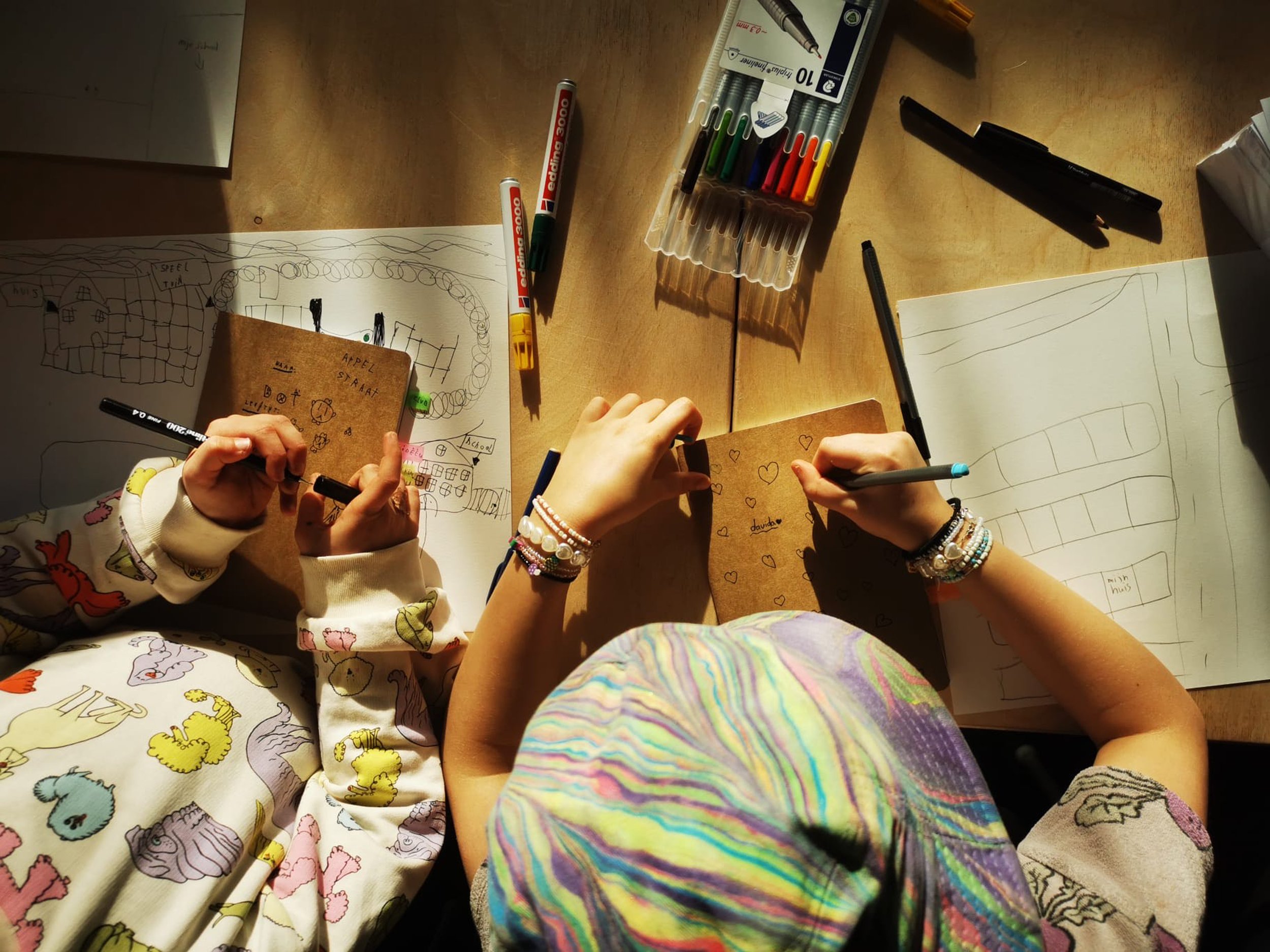
Each workshop built on the last. In the first sessions the girls mapped their neighbourhood as they experienced it — the places they felt welcome, the places they avoided, the crossings that made them nervous, the corners that felt like theirs. Later sessions moved from mapping to inventing: collaging, drawing, making. In the final sessions they were presenting their ideas to each other and deciding together what to take forward.


What was built
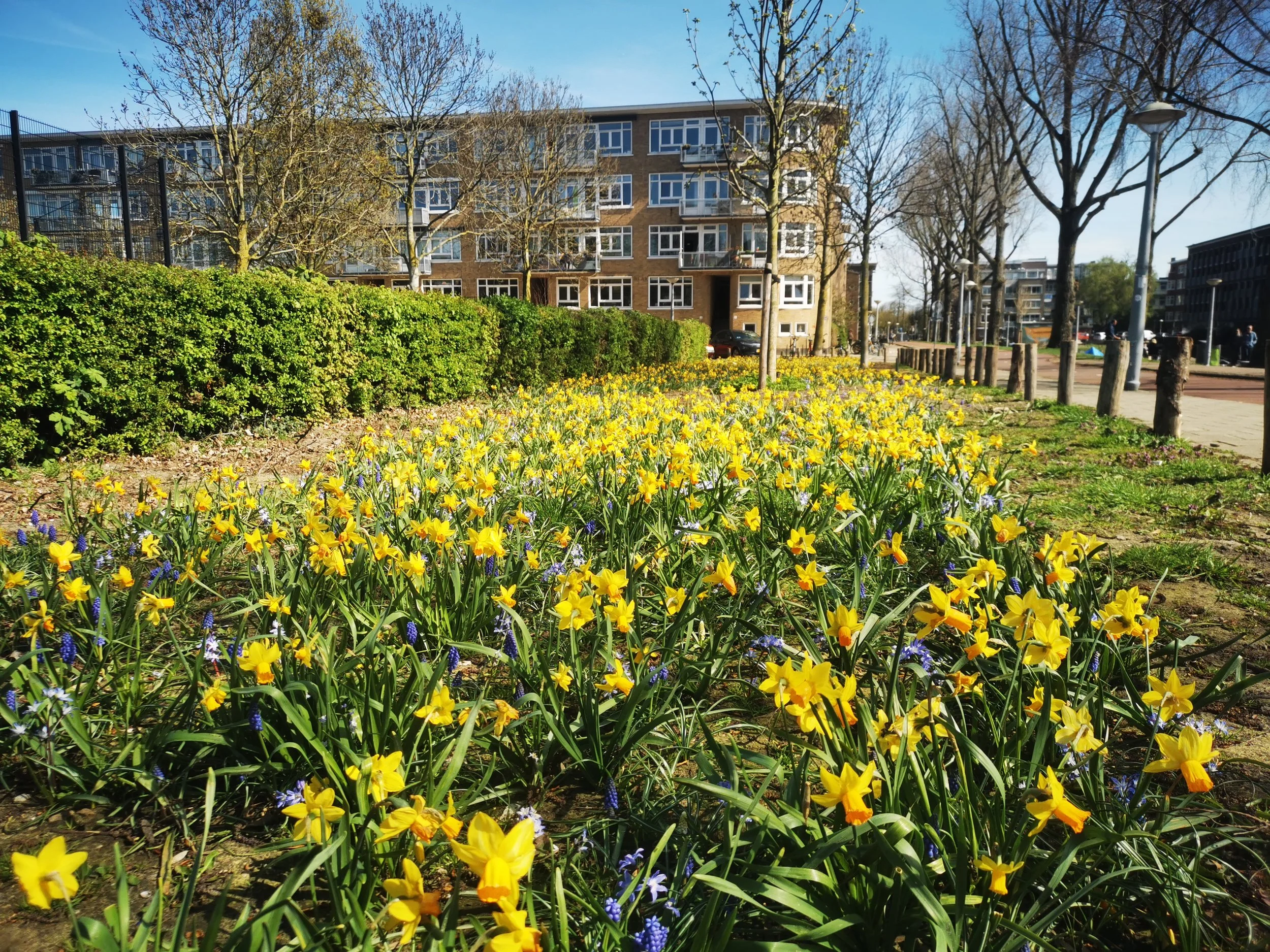
Two proposals went to West Begroot, Amsterdam West's participatory budgeting programme. The bloemenlint — a wildflower ribbon threading through Wachterliedplantsoen — went to public vote and won. It was planted in October 2025.
What is still in development
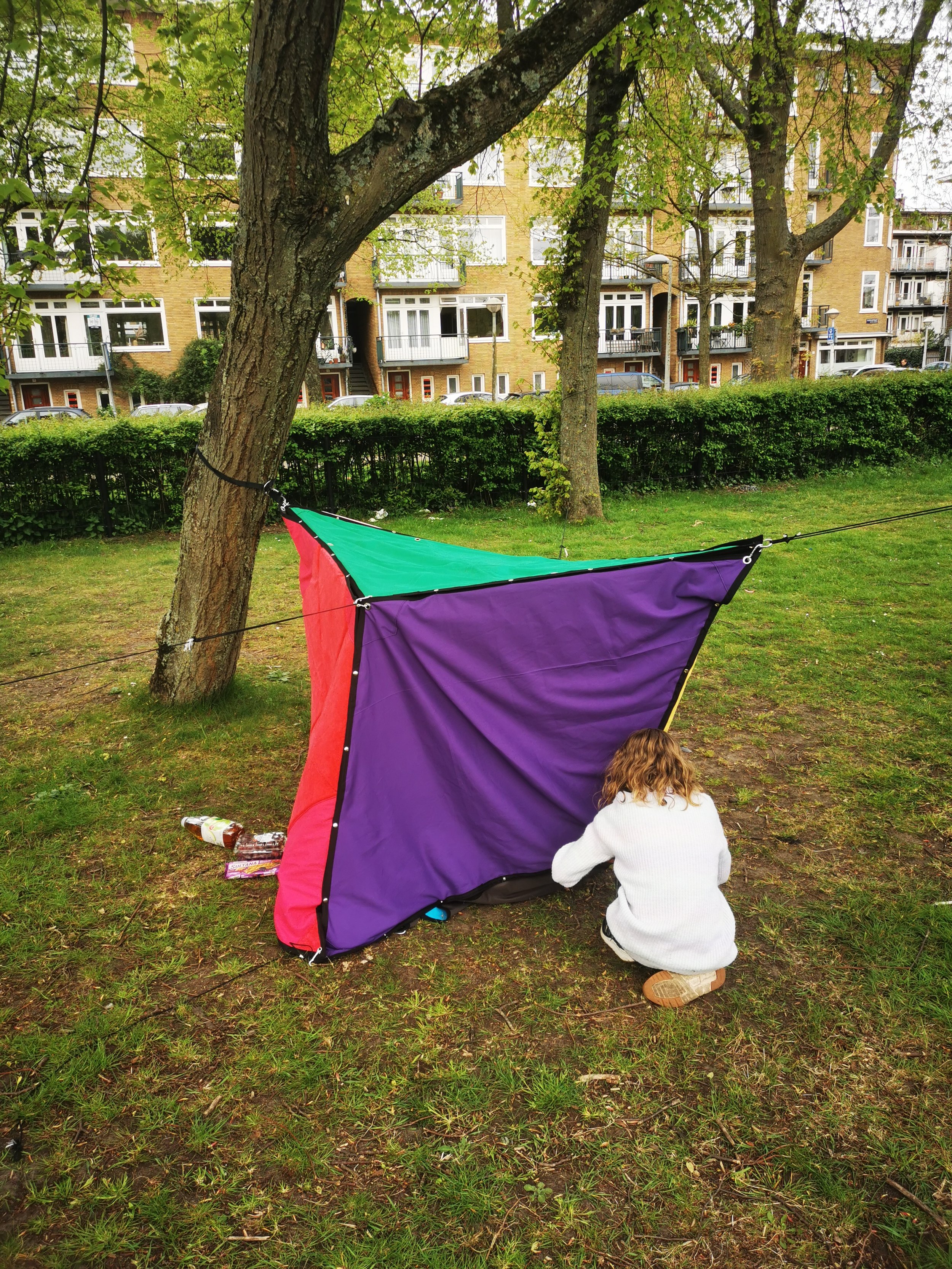
The workshops generated more than one realised idea. Three prototypes are in development and looking for partners to take them further.
The KletsKleedje is a modular, configurable rug — portable and personal, designed so girls can bring it to any corner of the park and make a space their own.
The Jij Maakt Het! sports hut is a kiosk concept developed with the Richard Krajicek Foundation — a flexible space for sport, play and encounter that girls can activate themselves, on their terms.
The Girls Garden is a proposal to reclaim a sports court and rewild it — a place for girls to plant, make, shape, and keep as their own.
We are looking for project partners for the above ideas to take them further
The methodology
The workshops and the methodology behind them have been documented in a facilitator's guide — a tool designed so others can run a version of this process in their own neighbourhoods.
The girls had no shortage of ideas. What they needed were adults willing to listen, and a context where those ideas could be taken seriously by the people with the power to act on them.